
 EN

Managing a backhoe loader fleet represents one of the most significant capital and operational investments for construction companies, rental businesses, and equipment service providers. A backhoe loader combines the versatility of excavation and loading capabilities in a single machine, making it indispensable across multiple job sites. However, the high acquisition costs, maintenance requirements, fuel consumption, and operator training expenses associated with maintaining a backhoe loader fleet can quickly erode profitability if not managed strategically. Understanding where to find cost-effective solutions for backhoe loader fleet management is essential for companies seeking to maintain competitive advantage while protecting their bottom line.
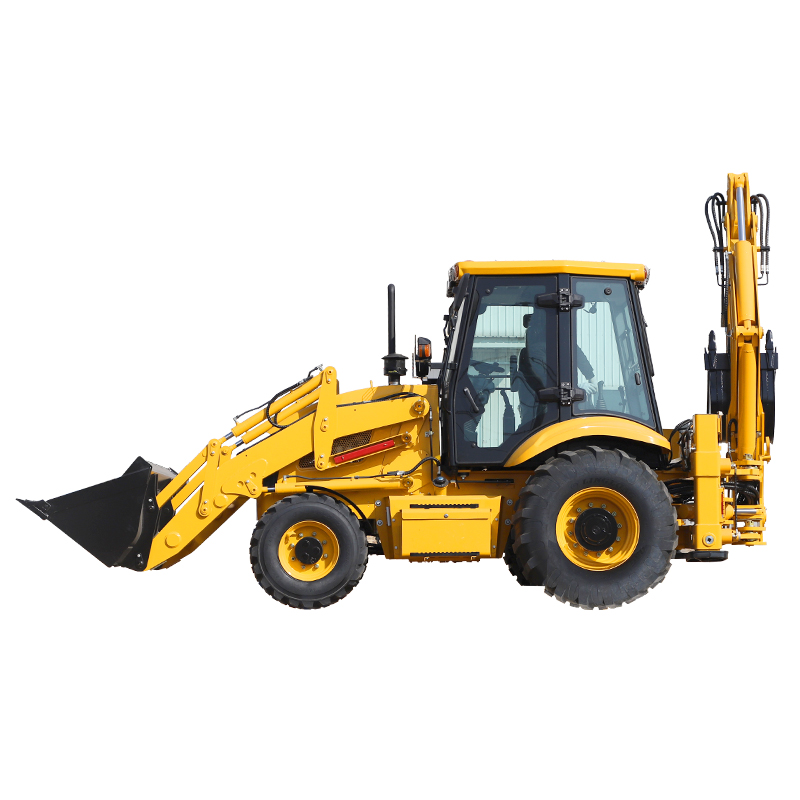
The challenge of finding the right backhoe loader solutions extends beyond simple vendor selection. Fleet managers must balance acquisition economics, residual value, warranty coverage, spare parts availability, dealer support networks, and financing flexibility. Companies operating multiple backhoe loader units face cumulative pressures from regulatory compliance, safety protocols, preventive maintenance schedules, and operator skill development. This comprehensive guide explores practical pathways for identifying and implementing cost-effective backhoe loader fleet management strategies that directly impact operational efficiency and financial performance.
Direct Factory Sourcing and Volume Purchasing Models
Establishing Direct Relationships with Backhoe Loader Manufacturers
One of the most effective cost-reduction strategies involves bypassing traditional retail distribution channels and establishing direct procurement relationships with backhoe loader manufacturers or authorized primary distributors. Large fleet operators who can commit to multi-unit purchases typically qualify for significant volume discounts that are simply unavailable through standard dealer networks. When purchasing a backhoe loader directly from manufacturers, companies often receive customized specifications tailored to their operational requirements rather than accepting generic pre-configured models. Direct factory channels also provide transparency into production timelines, quality control processes, and the opportunity to influence build specifications for enhanced durability in demanding applications.
Negotiating Fleet Pricing and Extended Warranty Packages
Fleet managers with substantial purchasing authority can negotiate comprehensive backhoe loader pricing structures that incorporate extended warranty periods, spare parts packages, and preventive maintenance programs into the initial acquisition agreement. Manufacturers often bundle these ancillary services at preferred rates when purchasing multiple backhoe loader units simultaneously, creating significant cumulative savings compared to purchasing these services individually after delivery. Progressive payment schedules, lease-to-purchase arrangements, and trade-in credits for existing aging backhoe loader equipment represent additional negotiating leverage points that reduce net acquisition costs. Structured multi-year supply agreements for a backhoe loader fleet ensure price stability and supply chain predictability while freeing capital for other business needs.
Optimizing Backhoe Loader Operational Efficiency
Predictive Maintenance and Condition Monitoring Systems
Modern backhoe loader fleet management increasingly relies on telematics and condition monitoring technologies that track machine performance, fuel consumption, engine hours, and maintenance intervals in real time. Implementing predictive maintenance systems on your backhoe loader fleet reduces unplanned downtime by identifying potential failures before they occur, preventing catastrophic damage and expensive emergency repairs. Digital maintenance records for each backhoe loader unit provide objective data for fleet optimization decisions, revealing patterns of high utilization, excessive fuel consumption, or recurring mechanical issues. These insights enable targeted interventions such as operator training, strategic redeployment, or scheduled component replacement that prevents costly full-machine downtime and extends backhoe loader useful life significantly.
Fuel Efficiency and Operator Training Impact
Fuel costs typically represent thirty to forty percent of total operating expenses for active backhoe loader fleets, making operational efficiency improvements in this category extraordinarily valuable. Comprehensive operator training programs specifically focused on fuel-efficient backhoe loader operation techniques generate measurable fuel consumption reductions of ten to fifteen percent within the first operational cycle. Training should emphasize proper engine warm-up procedures, appropriate gear selection for different backhoe loader working conditions, hydraulic system efficiency, and avoidance of unnecessary idling or rapid throttle changes. Establishing accountability systems that track fuel consumption metrics per backhoe loader unit and operator incentivizes sustained efficiency improvements across your entire fleet while identifying outlier performance that requires corrective attention.
Strategic Equipment Acquisition and Lifecycle Management
Used and Certified Pre-Owned Backhoe Loader Options
For companies with flexible specifications or temporary capacity needs, certified pre-owned backhoe loader equipment purchased through reputable dealers or manufacturer certified pre-owned programs offers significant cost savings while maintaining quality assurance. A backhoe loader with five hundred to two thousand operational hours often provides seventy to eighty percent of the remaining useful machine life while costing thirty to forty percent less than equivalent new models. Certified pre-owned backhoe loader units typically include manufacturer or dealer reconditioning warranties, mechanical inspections, and documented maintenance histories that provide confidence equivalent to traditional used equipment but with verified condition standards. This strategy works particularly well for establishing seasonal fleet capacity or testing new backhoe loader specifications before committing to large-scale new equipment purchases.
Rental and Equipment Leasing Alternatives
Short-term and long-term rental options for backhoe loader equipment represent viable alternatives to ownership when capital availability is constrained, utilization patterns are inconsistent, or technological obsolescence poses financial risk. Equipment rental networks provide immediate access to well-maintained backhoe loader machines without capital expenditure, warehousing requirements, or residual value risk. Rental companies maintain comprehensive maintenance on their backhoe loader fleet, eliminating the operational burden of scheduling repairs and securing spare parts. For construction companies executing project-specific work, renting backhoe loader equipment aligns costs directly with revenue-generating activity, improving cash flow management and project profitability calculations compared to ownership models.
Technology Integration and Fleet Management Tools
Comprehensive Fleet Management Software Platforms
Integrated fleet management software designed specifically for construction equipment provides centralized tracking of all backhoe loader units, maintenance schedules, operator logs, fuel consumption, and service request workflows. A robust backhoe loader fleet management platform enables managers to identify and eliminate redundant units, optimize equipment redeployment across projects, and maintain compliance with regulatory inspection requirements. Real-time visibility into backhoe loader availability, location, and operational status prevents duplicate purchases, improves equipment utilization rates, and reduces overall fleet size needed to support business operations. Automated alert systems track upcoming backhoe loader maintenance requirements, warranty expiration dates, and inspection deadlines, preventing costly compliance violations and extending machine service life through timely preventive interventions.
Data Analytics for Strategic Fleet Decision Making
Historical backhoe loader operational data captured through fleet management systems reveals equipment utilization patterns, ownership costs by unit, and performance trends that inform strategic acquisition and disposal decisions. Analytics dashboards comparing backhoe loader fuel economy, maintenance costs, repair frequency, and downtime across your fleet identify consistent poor performers that may warrant replacement or redeployment. Predictive analytics forecast future backhoe loader maintenance and replacement needs, enabling proactive capital planning and budget allocation rather than reactive crisis management. This data-driven approach to backhoe loader fleet optimization transforms raw equipment information into actionable business intelligence that directly improves financial outcomes and operational reliability.
FAQ
What factors should determine whether to buy, lease, or rent backhoe loader equipment?
The acquisition decision should evaluate your backhoe loader utilization rate, project duration, capital availability, technological change risk, and residual value expectations. Permanent fleet needs with consistent utilization typically favor ownership or long-term leasing, while project-specific or seasonal backhoe loader requirements often justify short-term rental. Calculate the total cost of ownership across your specific operational profile, including maintenance, fuel, insurance, and residual value recovery, then compare against rental and leasing alternatives to identify the most cost-effective backhoe loader solution for your business model.
How can companies reduce backhoe loader maintenance costs without sacrificing equipment reliability?
Implementing predictive maintenance programs that monitor backhoe loader operating conditions and engine parameters enables early detection of developing problems before catastrophic failure occurs. Maintain detailed maintenance records for each backhoe loader unit to identify service patterns and optimize preventive maintenance intervals. Invest in operator training to reduce unnecessary wear and component stress on your backhoe loader fleet. Source quality replacement parts and perform regular maintenance at scheduled intervals rather than deferring service until failures force expensive emergency repairs.
Where can fleet managers access competitive backhoe loader pricing and favorable financing terms?
Established manufacturers and authorized distributors typically offer volume pricing, extended payment terms, and customized financing arrangements for fleet purchases of multiple backhoe loader units. Industry equipment auctions and certified pre-owned dealers provide cost-effective alternatives for companies with flexible specifications. Equipment leasing companies specializing in construction machinery offer competitive rates and flexible terms tailored to project-based and seasonal backhoe loader needs. Direct manufacturer engagement often yields superior pricing compared to retail channels when purchasing capacity justifies negotiation of customized backhoe loader fleet agreements.